1to1Vote Presents Blockchain-Based Election Technology to Puntland Electoral Commission, Former NIEC Chairperson, Balqiis Insights, and Somali MP
1to1Vote presented its blockchain-based election platform to the Puntland Electoral Commission, former NIEC Chairperson Halima Yarey, Balqiis Insights, and a Somali MP, exploring how technology can support more transparent, secure, and verifiable elections in Somalia.
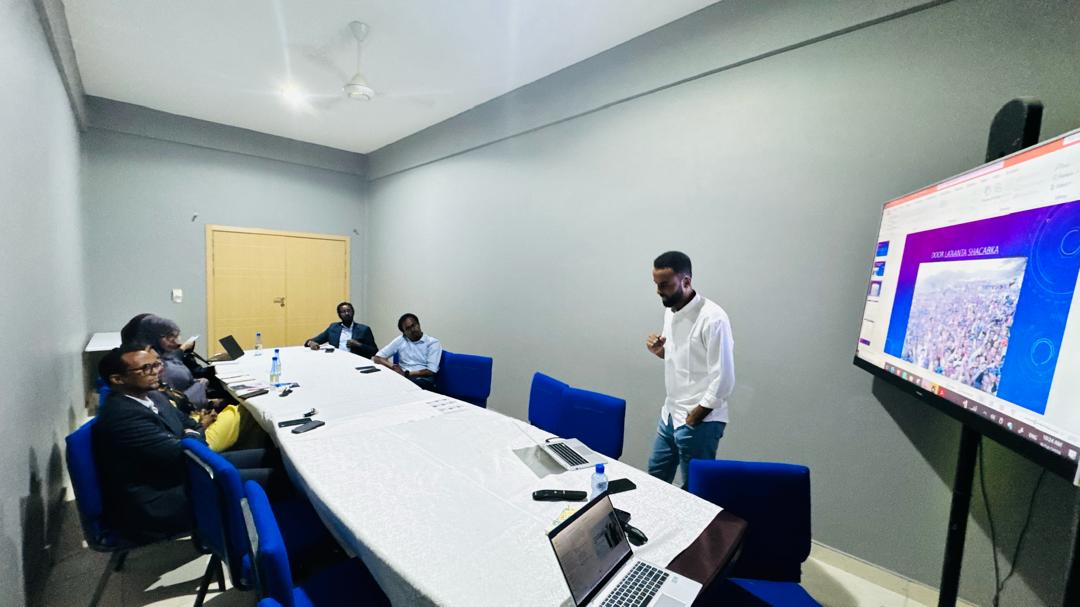
1to1Vote Presents Blockchain-Based Election Platform to Puntland Electoral Commission and Leading Somali Election Experts PEC Chairman Signals Openness to Collaboration as Experts Discuss Blockchain’s Potential to Strengthen Electoral Transparency in Somalia
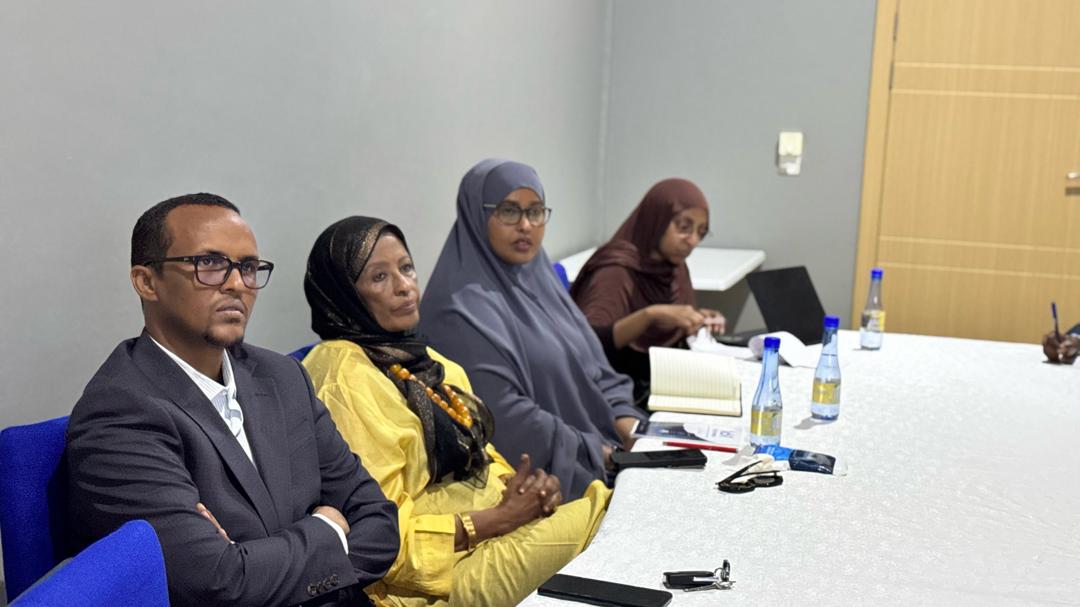
Garowe, Puntland — September 25, 2026 1to1Vote has reached an important milestone in its efforts to explore and develop transparent, secure, and technology-driven electoral infrastructure for Somalia after presenting its blockchain-based election platform to the Puntland Electoral Commission (PEC) and a distinguished group of Somali professionals with experience in electoral administration, governance, research, and public policy. The meeting was led by Ahmed Mohamoud Omar, Chairman of the Puntland Electoral Commission, and brought together Halima Ismail Ibrahim (Halima Yarey), former Chairperson of Somalia’s National Independent Electoral Commission (NIEC); Samira Ahmed Gaid, Co-Founder and Head of Research and Policy at Balqiis Insights; and Hon. Ahmed Abdi Kooshin, a Member of the Federal Parliament of Somalia, alongside members of the commission and the 1to1Vote team. The presentation introduced the platform’s underlying technology, its approach to electoral transparency, and its potential applications across different levels of electoral administration. Participants raised questions about the system’s technical architecture, security, practical implementation, and ability to address longstanding concerns surrounding trust in election results. The discussion also provided an opportunity for the 1to1Vote team to respond to questions, receive expert feedback, and explore how the platform could be refined to meet the practical needs of Somalia’s electoral environment. From Electoral Challenges to Digital Infrastructure The presentation began with a fundamental question: How can Somalia build electoral systems that citizens, candidates, and political stakeholders can trust? Conventional electoral processes can involve substantial logistical operations, security arrangements, voter verification procedures, manual processes, and extensive coordination among different institutions. Ensuring that votes are accurately recorded and counted, and that results can be independently verified, remains central to the credibility of any election. Public trust was a key theme throughout the meeting. For an electoral system to command confidence, participants must have reasonable assurance that eligible voters can participate, their votes are recorded correctly, the counting process is protected against manipulation, and the declared results reflect the votes cast. 1to1Vote presented blockchain technology as one potential component of a broader digital electoral infrastructure designed to improve the integrity and auditability of election records. Unlike a conventional database controlled by a single administrator, a properly designed blockchain-based system can provide records that are difficult to alter retrospectively and can allow authorized participants to independently verify specific transactions or election data. The platform’s approach combines blockchain with digital voter authentication, cryptographic mechanisms, election management tools, and verification procedures. However, the overall security and credibility of an election also depend on implementation quality, identity verification, ballot secrecy, independent oversight, and effective institutional governance. The objective is therefore not simply to replace paper ballots with digital voting, but to examine how electoral infrastructure can be designed to support greater transparency, accountability, and public confidence. PEC Chairman Expresses Openness to Collaboration Following the presentation, Chairman Ahmed Mohamoud Omar and members of the Puntland Electoral Commission engaged the 1to1Vote team in a discussion about the technology, its implementation, and its potential role in future electoral processes. The chairman emphasized the growing relevance of digital technology to the future of elections and welcomed the initiative to contribute to the development of electoral technology. He noted that digital systems are likely to play an increasingly important role in future elections and indicated that 1to1Vote’s early contribution to this field was encouraging news. He also expressed the commission’s willingness to collaborate with the organization and support its work by sharing relevant expertise and experience. The chairman’s remarks highlighted the importance of bringing technology developers into dialogue with electoral institutions and professionals who understand the operational and institutional realities of conducting elections. For 1to1Vote, the discussion represents an important opportunity to learn from the commission’s experience and explore areas in which institutional knowledge could contribute to the continued development of the platform. The engagement also reinforced the importance of consultation and cooperation in developing technology intended for use in sensitive democratic processes. Halima Ismail Ibrahim, widely known as Halima Yarey and the former Chairperson of Somalia’s National Independent Electoral Commission, offered a perspective on one of the central challenges facing digital election systems: the confidence of competing candidates and political stakeholders in the integrity of election results. She observed that competing parties or candidates may find it difficult to place complete trust in results generated by a server-based system when the process depends heavily on a centralized infrastructure. She noted that if blockchain technology can meaningfully address concerns associated with centralized control by enabling independent verification of election records, this would represent a positive development for electoral technology. Her comments underscored an important distinction between simply digitizing an election and designing a system in which relevant aspects of the electoral process can be independently audited. Blockchain may help strengthen the integrity and verifiability of election records, but confidence in the final outcome also requires secure voter authentication, ballot secrecy, transparent procedures, independent oversight, and safeguards against manipulation before votes enter the system. For 1to1Vote, feedback from an experienced electoral administrator provides a valuable perspective on how the platform’s design must respond to the practical concerns of candidates, political stakeholders, and electoral institutions. The discussion reinforced the need to evaluate the technology not only by its technical capabilities, but also by whether its procedures can be understood, scrutinized, and trusted by those participating in an election. Samira Ahmed Gaid, Co-Founder and Head of Research and Policy at Balqiis Insights, welcomed the broader potential of emerging technologies to contribute to the development of improved electoral systems. She observed that blockchain-based approaches could help pave the way for stronger electoral processes, while emphasizing the importance of considering how the technology might be applied within conventional polling-station environments. In particular, she suggested that it would be valuable to explore the application of blockchain technology to voting conducted at regular polling stations, rather than limiting its potential use to digital or remote voting arrangements. Her observation raised an important question about implementation: how can the potential benefits of blockchain-based record integrity and verification be incorporated into existing electoral operations, where voters cast their ballots in person? Such an approach would require careful consideration of voter identification, ballot secrecy, reliable connectivity or offline procedures, the handling of physical ballots, reconciliation of results, and the relationship between polling-station records and the digital system. The suggestion highlights the importance of designing electoral technology around the realities of election administration and the needs of voters, rather than treating technological innovation as an end in itself. For 1to1Vote, this feedback presents an opportunity to examine how the platform could potentially support different voting environments, including in-person polling stations, while maintaining appropriate security and verification safeguards. Hon. Ahmed Abdi Kooshin, a Member of the Federal Parliament of Somalia, highlighted the importance of making advanced electoral technology understandable to the public. He recommended that the explanation of blockchain-based voting be simplified so that ordinary citizens can understand how the system works, how votes are protected, and how election results can be verified. His observation addressed a critical aspect of public confidence: even when a technology offers sophisticated technical features, those features have limited practical value if voters and other stakeholders cannot understand how the system operates or how its claims can be assessed. Blockchain involves technical concepts that can be unfamiliar to many people. Explaining the system through clear language, practical demonstrations, accessible educational materials, and examples relevant to everyday voting experiences could help make its operation more understandable. For 1to1Vote, this feedback underscores the need to develop a public education strategy alongside the technical platform. Such an approach could include demonstrations for students and community members, visual explanations of the voting process, frequently asked questions, and clear guidance on how election results can be checked. The aim would be to ensure that public understanding develops alongside technological innovation, enabling citizens to evaluate the system based on its actual safeguards, procedures, and performance. Learning From Global Electoral Experiences The meeting placed Somalia’s electoral technology challenges within a wider international context. The presentation referenced international experiments involving blockchain and digital voting, including Russia’s 2020 blockchain-based electronic voting system, the Agora project associated with blockchain voting initiatives, and Voatz, which has been used in mobile voting pilots involving U.S. military personnel. These examples demonstrate that governments, researchers, and technology organizations have explored different approaches to digital election infrastructure. They also illustrate why technological experimentation must be accompanied by independent scrutiny, careful assessment, and lessons drawn from both successes and limitations. For 1to1Vote, international experience provides a basis for examining which approaches may be relevant to Somalia and which technical, legal, operational, and institutional challenges must be addressed before any wider deployment. The platform’s long-term development will require testing, security assessments, transparent evaluation, and engagement with election professionals and the communities expected to use it. Building Electoral Technology Through Consultation and Expert Feedback The contributions made during the meeting reflected several complementary priorities for the development of electoral technology in Somalia. The Puntland Electoral Commission emphasized the value of institutional cooperation and the sharing of electoral expertise. Halima Yarey highlighted the importance of addressing concerns about centralized control and the credibility of results. Samira Ahmed Gaid raised the potential relevance of blockchain to conventional polling-station operations, while Hon. Ahmed Abdi Kooshin stressed the need to make the technology understandable to the public. Together, these perspectives highlight that the development of credible electoral infrastructure requires more than technical innovation alone. It requires collaboration between technology developers, electoral institutions, researchers, policymakers, candidates, and voters. It also requires practical testing, independent security assessments, clear public communication, and appropriate legal and institutional frameworks. The 1to1Vote team welcomed the questions and recommendations raised during the meeting, viewing them as valuable input for the continued refinement of the platform. The engagement also provided an opportunity to explain the system’s design, respond to concerns, and identify areas where further technical development and consultation would be beneficial. Beyond Elections: A Platform With Broader Potential The long-term vision of 1to1Vote extends beyond a single election or institution. The platform is being developed with the potential to support different types of elections, beginning with smaller and more manageable environments where the technology can be tested and evaluated. Potential applications include: Universities: Digital student elections that enable eligible students to participate through defined voter verification procedures and allow election records to be audited. Organizations and associations: Internal elections for professional associations, NGOs, unions, and community organizations. Public institutions: Customized voting systems for institutional decision-making where eligibility, transparency, and verification are important. Municipal and regional elections: Potential future applications requiring secure voter authentication, transparent election procedures, and verifiable results. National elections: Longer-term exploration of whether blockchain, cryptography, digital identity, and secure verification mechanisms could contribute to a future one-person-one-vote electoral infrastructure for Somalia. These applications remain dependent on appropriate technical validation, institutional acceptance, legal compliance, and evidence that the system can meet the requirements of each electoral environment. Technology alone cannot resolve every electoral challenge. Credible elections also depend on sound laws, capable institutions, security, political agreement, accessibility, inclusion, independent oversight, and public confidence. From Garowe to a Broader National Vision The meeting in Garowe represents an important step in 1to1Vote’s efforts to engage with the people and institutions that understand Somalia’s electoral environment. Developed in Puntland, the project has ambitions that extend beyond the region. Its long-term objective is to explore how modern technology could contribute to electoral systems that are secure, transparent, accessible, auditable, and designed around public trust. The discussion with the Puntland Electoral Commission and the participating Somali experts provided an opportunity to present the platform, receive practical feedback, and consider how its development could be informed by institutional experience and public needs. The next phase will require continued technical development, pilot testing, independent security audits, legal analysis, public education, and constructive engagement with electoral institutions and other relevant stakeholders. The team’s focus is on learning from these discussions and translating relevant recommendations into practical improvements as the platform develops. A Milestone in an Ongoing Journey
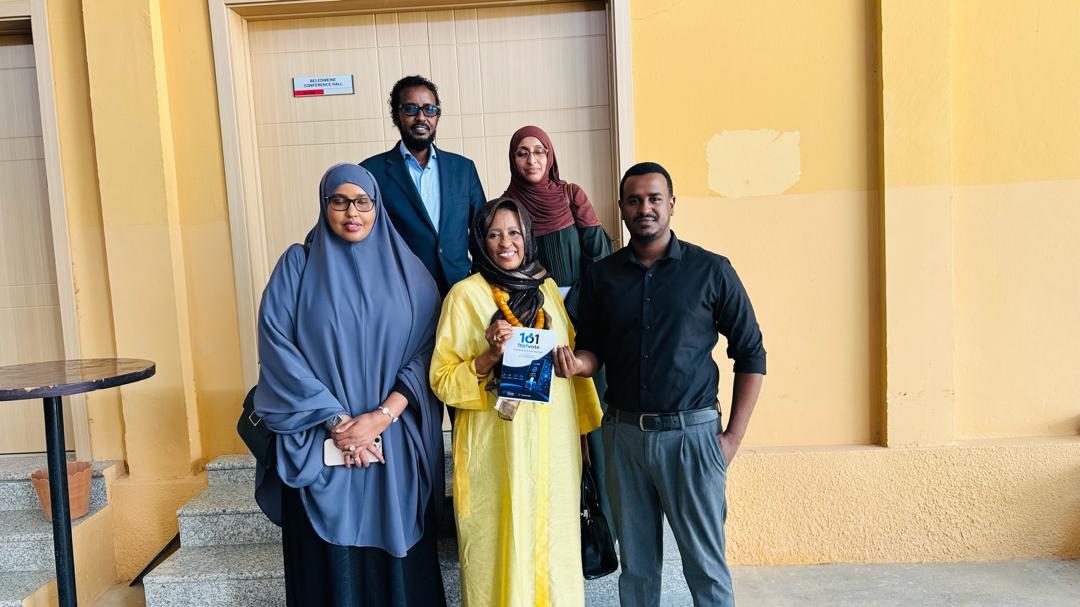
For 1to1Vote, the meeting was not a declaration that the challenges of digital elections have been solved. It was an opportunity to begin a deeper conversation about how technology could contribute to the future of electoral administration in Somalia. The discussion brought together perspectives on institutional collaboration, public trust, polling-station implementation, and the importance of making complex technology understandable to citizens. The 1to1Vote team extends its appreciation to PEC Chairman Ahmed Mohamoud Omar and the Puntland Electoral Commission; former NIEC Chairperson Halima Ismail Ibrahim; Samira Ahmed Gaid of Balqiis Insights; Hon. Ahmed Abdi Kooshin; and all participants for their questions, observations, and contributions. As the project moves forward, 1to1Vote will continue developing and evaluating its platform, engaging with electoral professionals, and exploring how transparent and independently verifiable technology can support the evolving needs of elections in Somalia. 1to1Vote — Building the Infrastructure for the Next Generation of Elections.